


Introduction
When an M&A transaction does not close, identifying the relevant economic loss requires more than looking at the agreed purchase price. The analysis must account for the remedy sought, the value of the asset retained, changes in the business while the dispute remains unresolved, and the causal link between the contested conduct and any erosion of value. Using the IPA Steel Terminal dispute as a reference point, this article examines why transaction price, business value, and damages are distinct concepts—and why liability and quantum may become closely connected.
In August, two arbitrations commenced before the AAA in connection with a single transaction: the acquisition of 100% of IPA Steel Terminal, a steel and breakbulk cargo handling terminal at the Port of Altamira, agreed in February of this year.
The buyer, a Canadian group, commenced arbitration seeking confirmation that its termination of the agreement was valid. The sellers commenced a separate arbitration seeking the opposite outcome: completion of the transaction.
According to Global Arbitration Review (GAR), the buyer issued a notice of breach alleging that the terminal had handled steel originating from a Russian steel producer whose majority shareholder was sanctioned by Canada in 2025 in connection with the Russia–Ukraine conflict. The buyer contends that this is entitled to terminate the transaction. The sellers reject that position, arguing that the steel belonged to a third party that was a customer of the terminal, and that the operating companies are Mexican entities conducting their operations in Mexico.
Regardless of how that dispute is ultimately resolved, one fact frames the entire economic analysis:
The transaction did not close.
The sellers retained the terminal and did not receive the purchase price. Accordingly, the approximately US$150 million reportedly attributed by GAR to the value of the transaction is an important reference point, but it is not the measure of damage.
From that point onward, the subject of the quantification exercise changes depending on which party prevails and, above all, on the remedy awarded.
If the arbitral tribunal were ultimately to order completion of the transaction, it would be necessary to assess what happened to the business between the date on which closing should have occurred and the date of the actual transfer. This would include its operating performance, contracts, customers, financing, and any deterioration or improvement in the assets during that period.
If the award were instead to grant damages to the sellers, the exercise would be different. The starting point would be the difference between the price they would have received and the value of the interest they retained, together with any demonstrable costs incurred as a result of the failed transaction.
If the termination were found to have been valid, the analysis would change once again. The costs incurred by the buyer in connection with a transaction that ultimately failed to close could become relevant and, depending on the nature of the underlying facts and other contractual terms, there may be additional economic consequences.
The same facts. Three scenarios. Three distinct quantification exercises.
There is, however, an additional complication: the very fact being examined to determine liability may also affect value.
A terminal such as this derives its value from variables including the volumes it can handle, the tariffs it charges, customer retention, and the expected continuity of its operations. If sanctions-related considerations were to affect any of those variables, whether through legal consequences or the commercial decisions of customers, lenders, insurers, or other counterparties—the asset's economic projections would also change.
That effect may operate in more than one direction.
An economic analysis based on adjusted projections would be relevant to assessing the buyer's position regarding the characteristics and risks of the asset it had agreed to acquire. However, in a potential damage's scenario in favor of the sellers, a reduction in the value of the terminal they retained could also widen the gap between the counterfactual scenario in which the transaction had been completed and the actual scenario that materialized.
This is where liability and quantum cease to be entirely separate compartments.
Time adds another layer to the analysis. The sellers have requested emergency measures aimed at safeguarding the terminal's continued operations. From an economic perspective, that request raises an important question: what happens to the value of a business while the dispute remains unresolved?
Customers, contracts, credit facilities, insurers, and investment decisions may react long before an award is rendered. Measuring a potential erosion of value is only one part of the exercise. The other is determining its cause: whether it arises from the termination of the transaction, from the facts that led to that termination, from external conditions, or from a combination of factors.
That attribution may be decisive in determining which party ultimately bears the economic loss and in selecting the appropriate valuation date. The originally scheduled closing date, the date of breach, and the date of a potential award would each produce different values because both the available information and the conditions affecting the business and the market would differ.
For that reason, in M&A disputes, price, value, and damages are not interchangeable concepts.
At Fortantis, we approach these issues by connecting the facts of the case and the contractual framework with the business's actual operations, the construction of the counterfactual scenario, and the quantification of the resulting economic consequences. The objective is not merely to arrive at a number, but to understand what is being measured, why it is being measured, and which facts explain the difference in value.
Our Team
Fortantis is a boutique firm specializing in economic analysis and expert services for complex disputes. This is the team behind the analysis.
Author

Samuel García-Cuéllar
Samuel has more than 25 years of international experience in finance, with a focus on valuation and corporate finance. He has advised government and private-sector clients on the quantification of damages in complex disputes across Mexico, the United States, and Latin America.
LinkedInFortantis Team
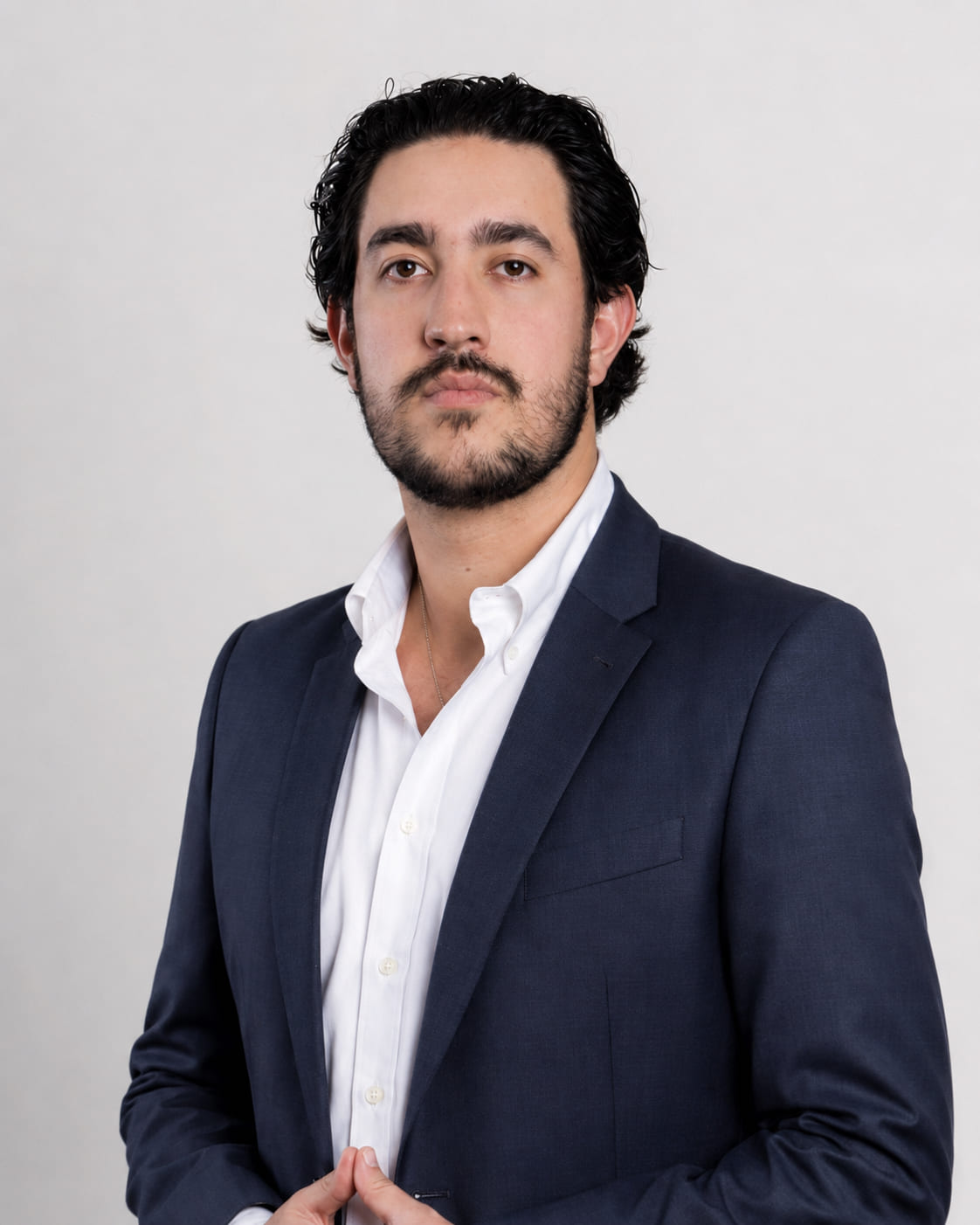
Alfonso Zendejas
Holds a bachelor's degree in business administration from ITAM, with professional experience at Xepelin and TC Partners in Mexico.
LinkedIn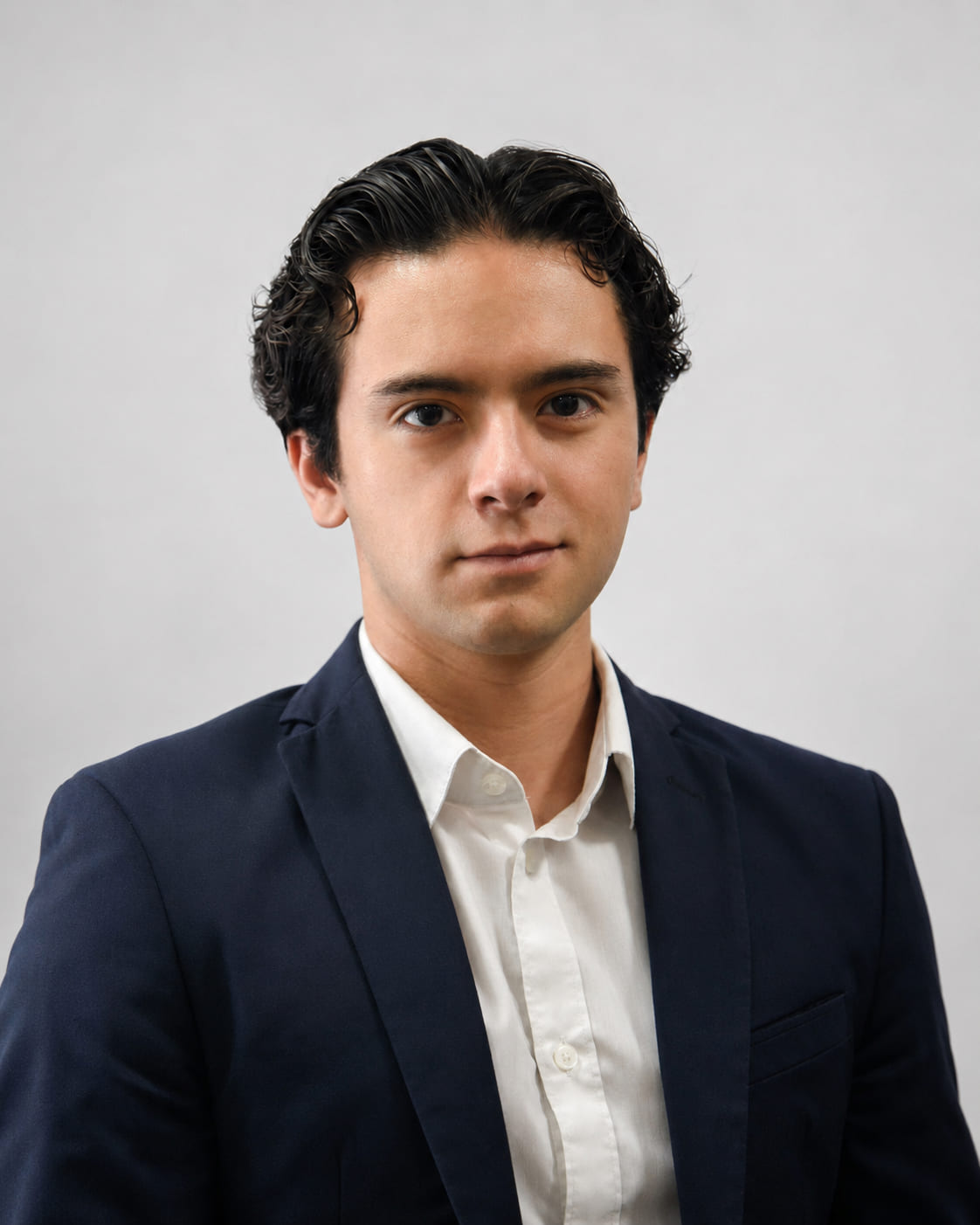
Juan Pablo Olivera
Holds a bachelor's degree in financial management from ITAM, with professional experience at Santander and HSBC in Mexico.
LinkedIn
José Andrés Baquero
Holds a bachelor's degree in financial management from Universidad Anáhuac, with professional experience at Banco Pichincha (Ecuador) and Andersen Consulting (Mexico).
LinkedInSources and Legal Disclaimer
The factual background described in this article is based primarily on reporting by Global Arbitration Review (GAR) in "AAA to hear claims over Mexican steel terminal." The parties' positions, the circumstances surrounding the alleged breach, the relief sought, and the approximately US$150 million transaction value are drawn from GAR's reporting and have not been independently verified by Fortantis. References to alleged conduct, contractual breaches, sanctions, and requested relief reflect the parties' reported allegations and positions; they should not be understood as established facts or findings by any arbitral tribunal.
© 2026 Fortantis. All rights reserved. This document has been prepared for informational and general analytical purposes based on publicly available information as of the date hereof. It does not constitute legal, financial, or investment advice, nor an expert opinion regarding the matters discussed. Artificial intelligence-assisted tools may have been used to support document structuring, editorial review, or preliminary analysis. In no case did such tools replace the professional judgment of the authors, who reviewed, validated, and approved the final content. The figures and scenarios presented are for illustrative purposes only and should not be construed as an independent valuation. Fortantis makes no representation or warranty regarding the accuracy, completeness, or currency of the information used. No part of this publication may be reproduced or distributed without the prior written authorization of Fortantis.